
Senior Care Insights & Guidance
Helpful articles on choosing residential care, supporting aging loved ones, and understanding your options for non-medical group home care.
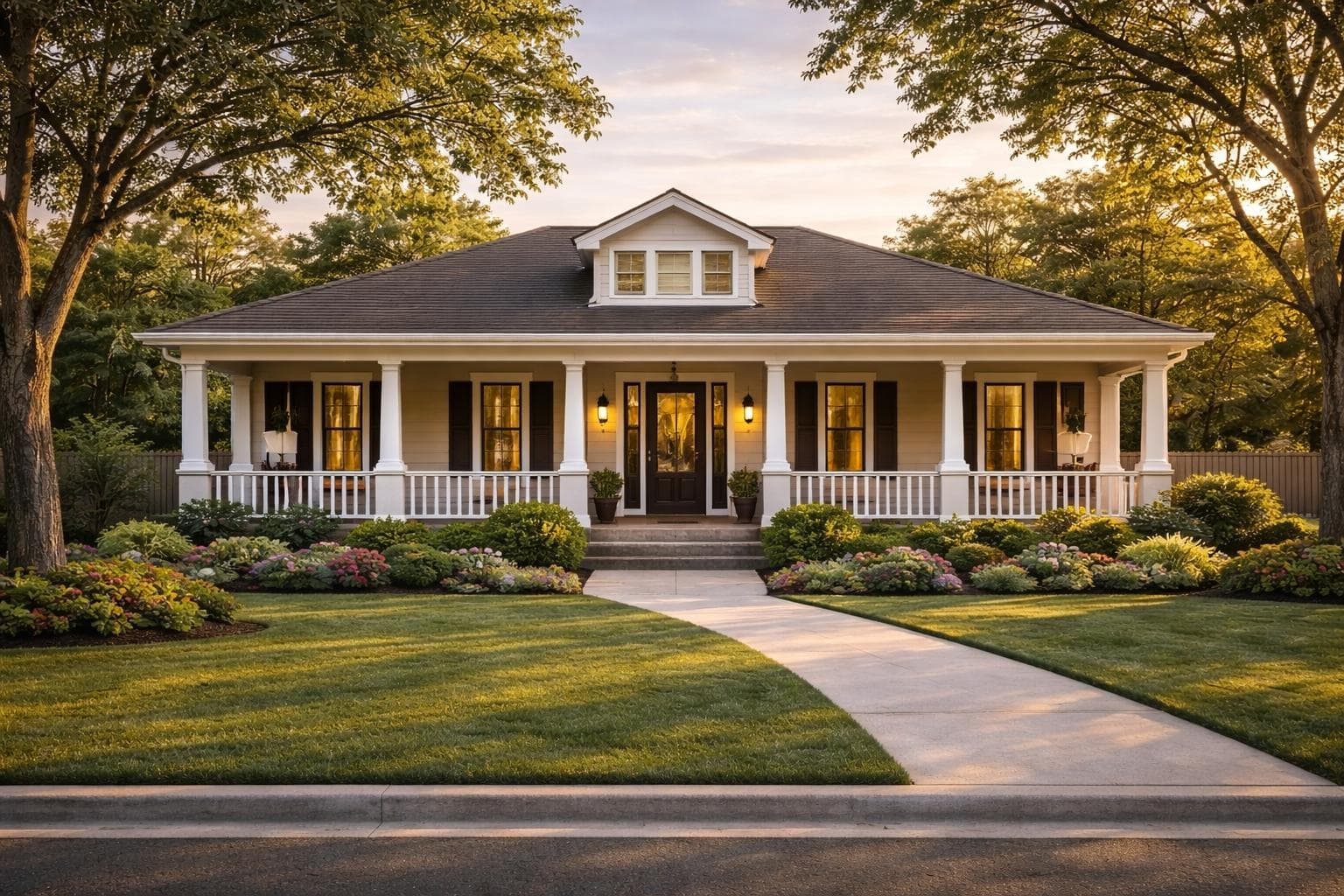
What to Look for in a Residential Care Home
<p>Choosing the right residential care home for your loved one is one of the most important decisions you'll make. A good facility should feel less like an institution and more like a true home — a place where residents are treated with dignity, respect, and genuine warmth. Start by evaluating the physical environment. Look for clean, well-maintained spaces with accessibility features like wide doorways, grab bars, and wheelchair-friendly layouts. The home should be well-lit, odor-free, and thoughtfully decorated to create a calming atmosphere. Pay close attention to the staff-to-resident ratio and the quality of interactions you observe during your visit. Are caregivers engaged and attentive? Do they address residents by name and treat them with patience? The best homes employ compassionate professionals who see caregiving as more than just a job. Ask about daily routines and activity programs. A quality residential care home offers structured yet flexible schedules that include social activities, light exercise, and opportunities for meaningful engagement. Isolation is a serious concern for seniors, and the right environment actively combats it. Finally, trust your instincts. If something feels off during your tour — whether it's the atmosphere, the staff demeanor, or the overall vibe — don't ignore that feeling. Your loved one deserves a place where they will truly thrive.</p>
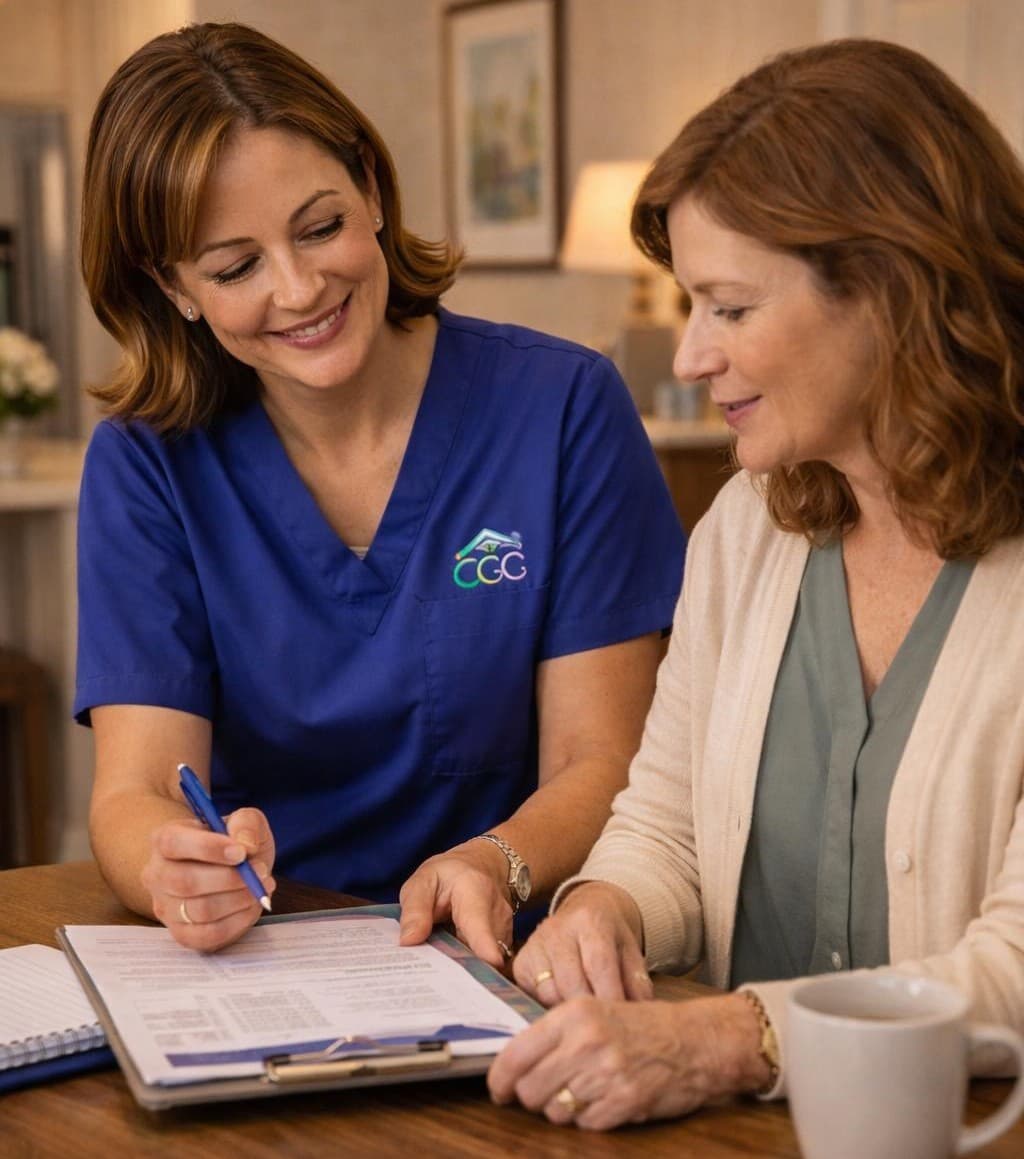
Understanding Non-Medical Senior Care
Non-medical senior care fills a crucial gap in the care continuum. Unlike skilled nursing facilities that provide clinical medical treatment, non-medical care homes focus on helping residents with the activities of daily living while maintaining their independence, dignity, and quality of life.

Benefits of a Small Group Home Setting
<p>When families begin exploring senior care options, they often default to large assisted living facilities — the kind with dozens or even hundreds of residents spread across multiple floors. But for many seniors, a small group home offers a far superior experience. The most immediate advantage of a small group home is the personalized attention. With typically six to ten residents and a dedicated staff, each individual receives far more one-on-one time than would be possible in a larger facility. Caregivers genuinely get to know each resident — their preferences, routines, quirks, and needs. Meals in a small setting are another differentiator. Rather than institutional dining halls with set meal times, residents enjoy home-cooked meals prepared in a real kitchen, often with input from residents about what they'd like to eat. The dining table becomes a place for conversation and connection, not just consumption. The consistency of caregivers matters enormously. In large facilities, staff turnover is often high, and residents may interact with a rotating cast of unfamiliar faces. In a small group home, the same caregivers are there day after day, building trust and deep familiarity with each resident's needs. Safety and oversight are also enhanced in a smaller setting. With fewer residents and a cozier layout, staff can more easily monitor everyone's well-being, respond quickly to any concerns, and catch subtle changes in condition before they escalate into emergencies. For seniors with dementia or anxiety, the calm, predictable rhythm of a small home is especially beneficial. There are no long corridors, confusing layouts, or overwhelming noise levels — just a comfortable, manageable environment that feels like home because it is one.</p>
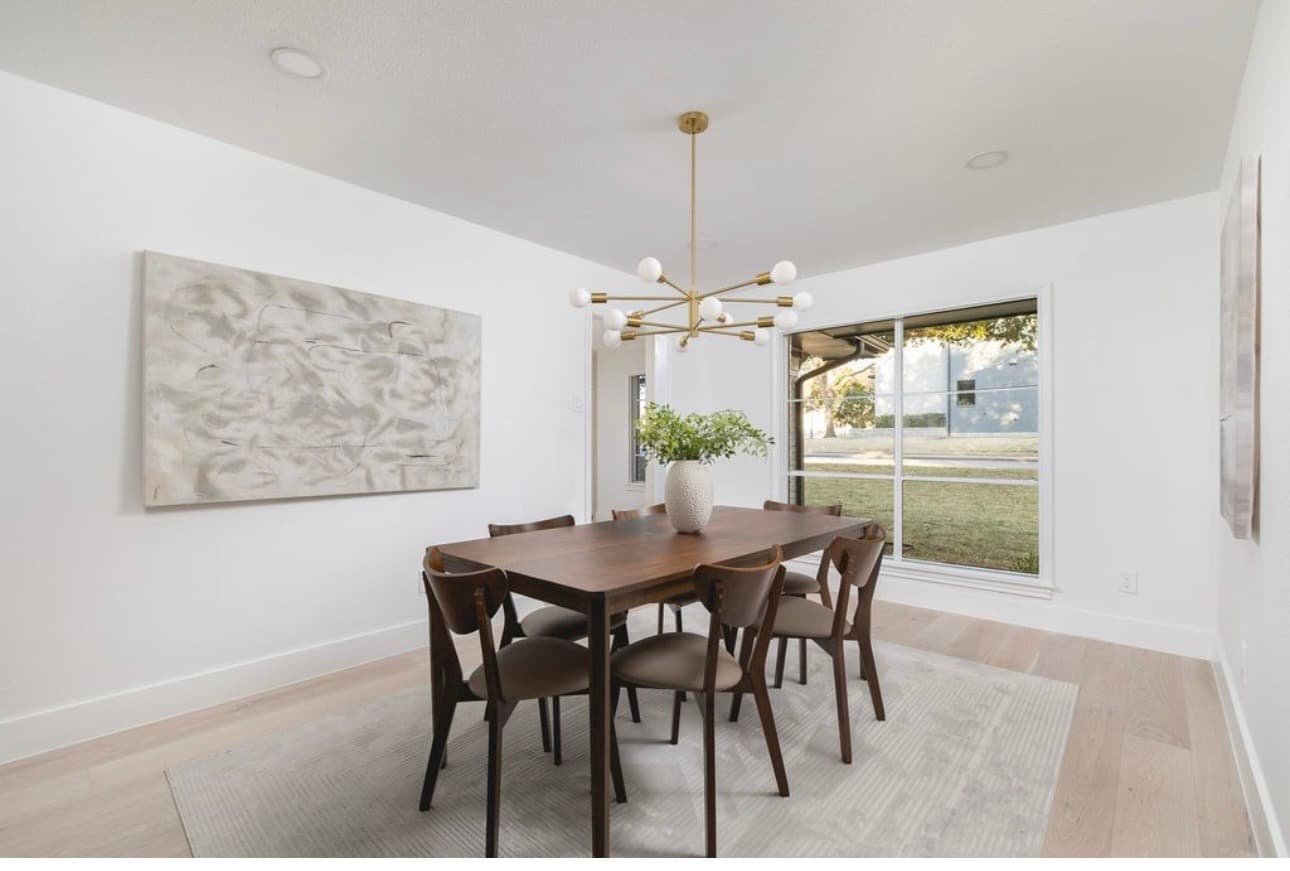
How to Talk to Aging Parents About Care Options
The conversation about moving a parent into residential care is rarely easy. It touches on independence, pride, fear, and lifelong family dynamics. Approaching it with empathy, patience, and careful planning can make all the difference.
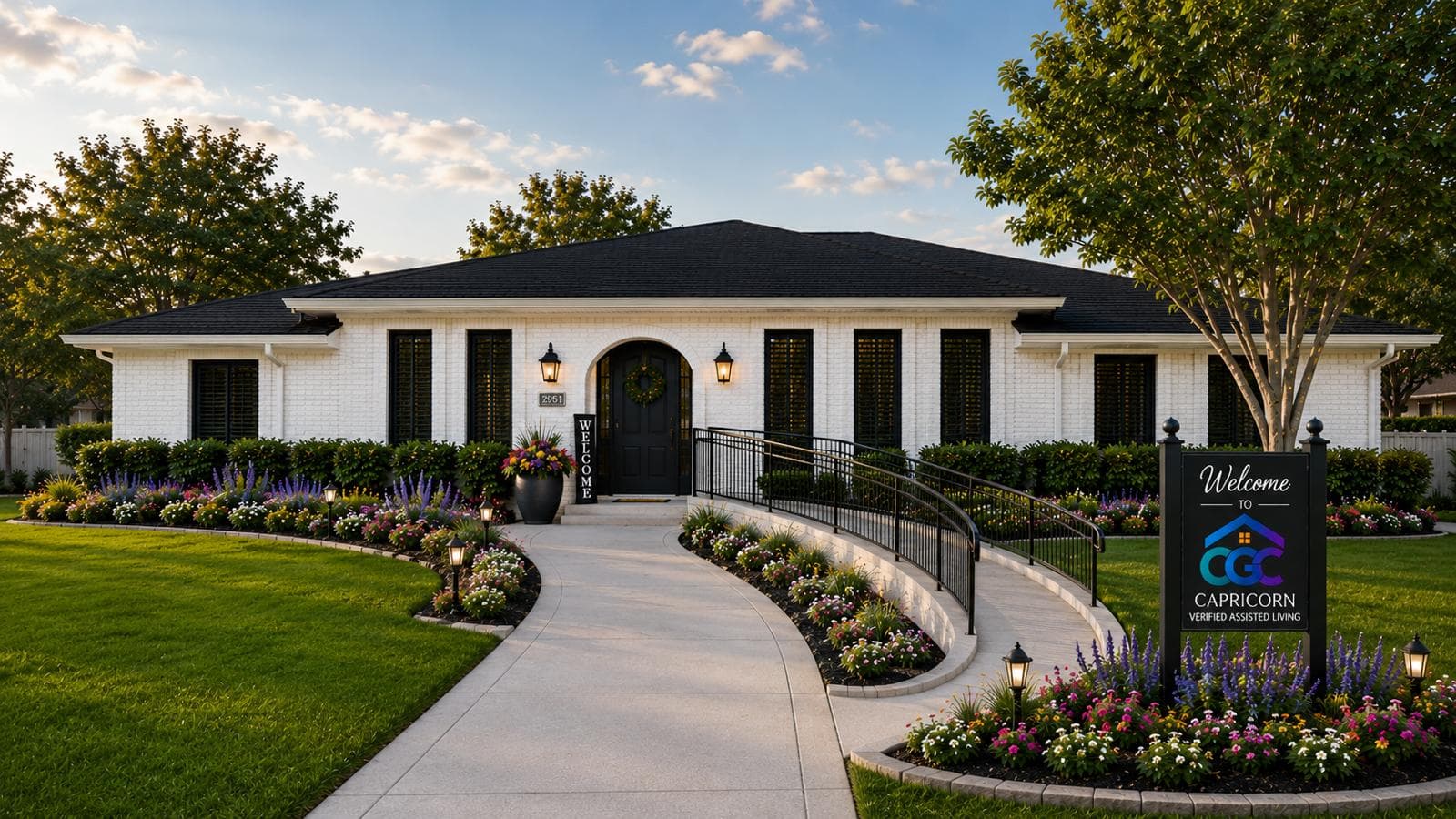
The Difference Between Assisted Living and Group Homes
One of the most common questions families ask is: what's the difference between a large assisted living facility and a small residential group home? While both provide non-medical care, the experience for residents can be dramatically different.

Preparing for the Transition to Residential Care
Moving into a residential care home represents a major life transition — one that can feel equal parts hopeful and overwhelming. With thoughtful preparation, families can help their loved one settle in smoothly and begin this new chapter on a positive note.
Have Questions About Senior Care?
Our RN consultants are available to answer your questions and help you explore the right care path for your loved one.